
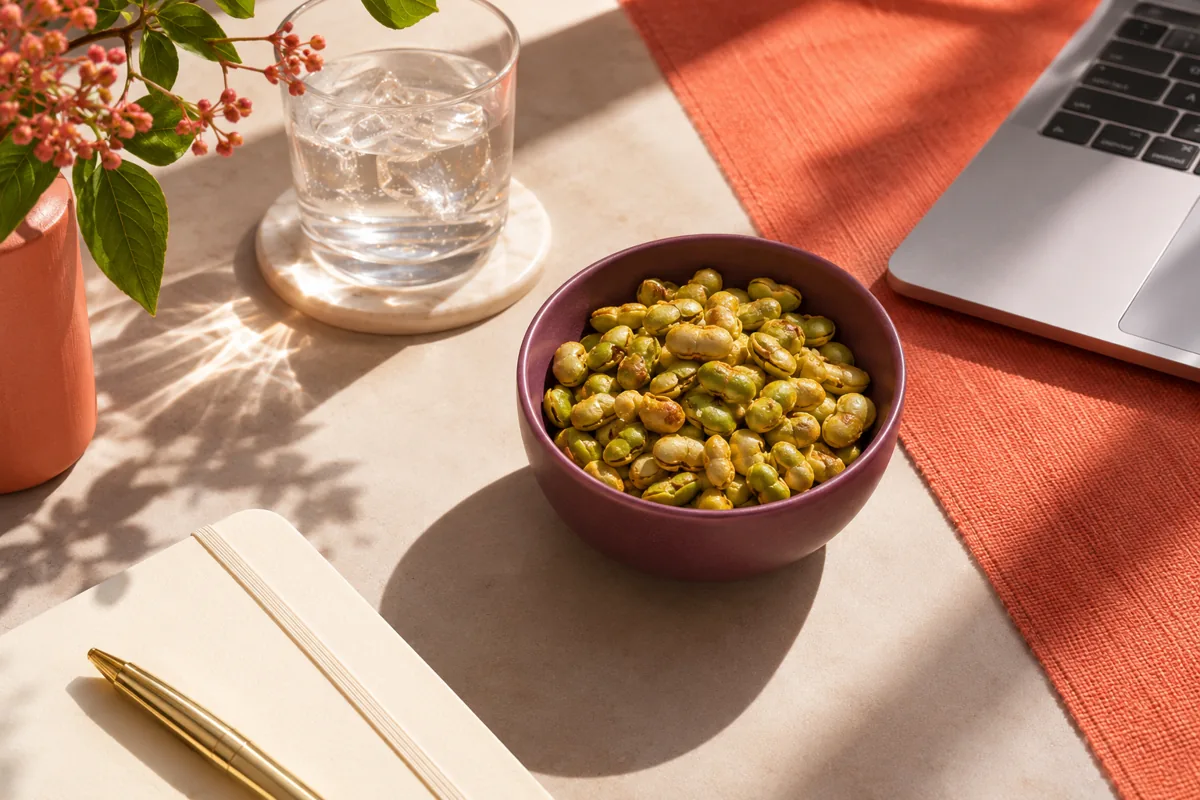
The afternoon desk break
Pour a handful of Sea Salt into a small bowl. Add sliced apple or a few crackers if you want to make it a longer break.
Meet Sea SaltThe Little Loud guide to edamame
Inside that fuzzy green pod is a young soybean with a lightly sweet, nutty bite. Here’s how it grows, how it became a table snack, and what happens when you give it a roast.
Start with the bean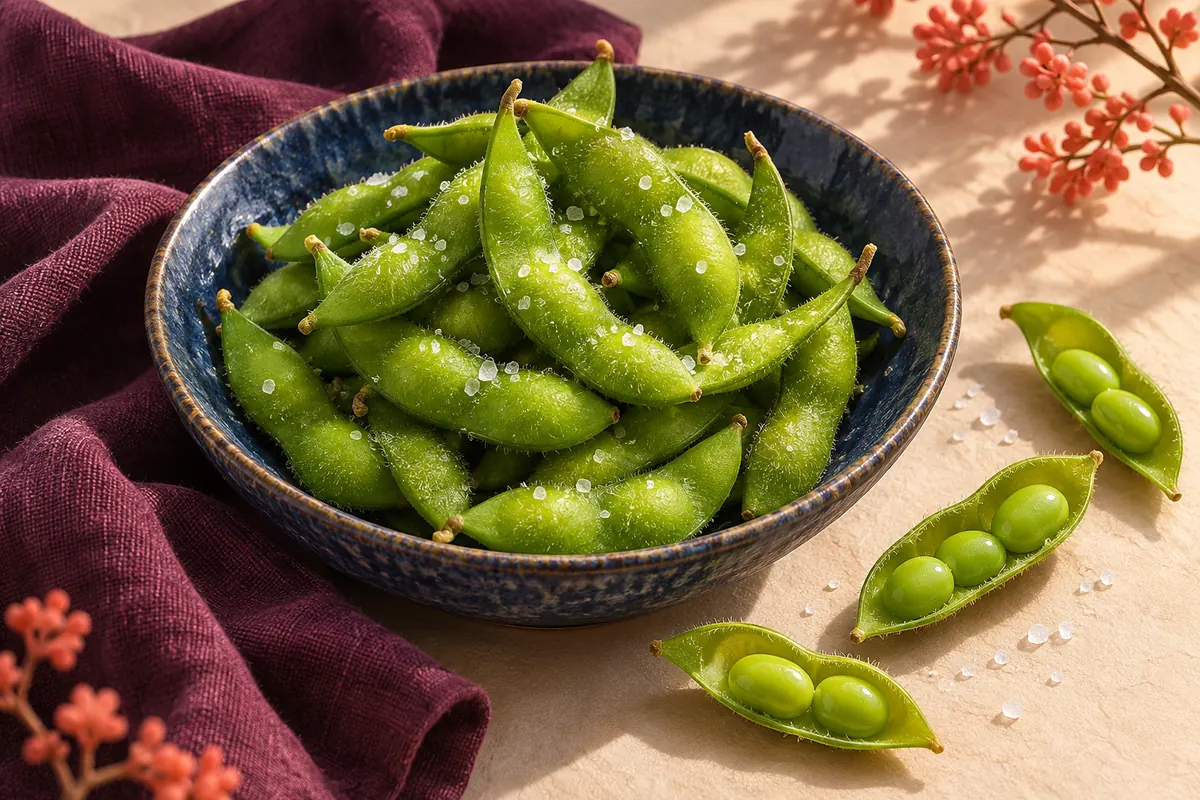
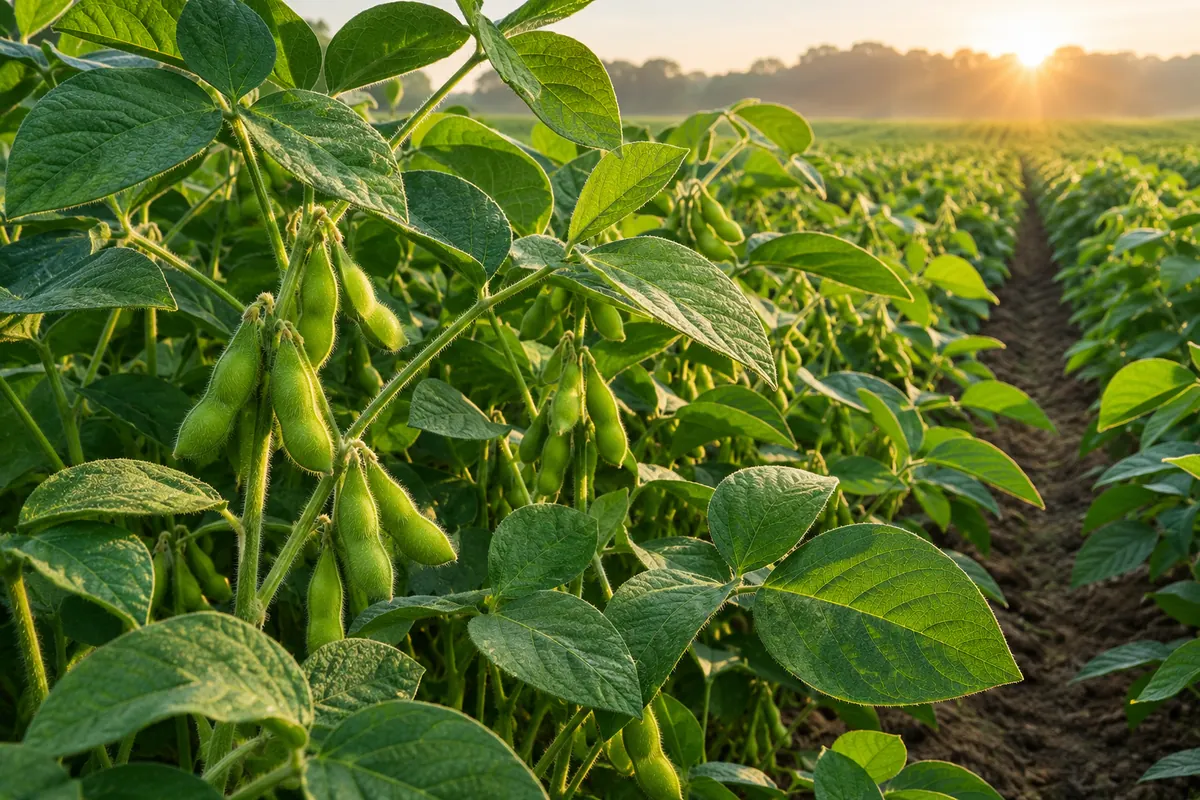
Say it eh-dah-MAH-may. Edamame are vegetable soybeans harvested before they fully mature. The pods are plump and green at harvest, and the beans inside have a tender bite and a mild sweetness when cooked.
Edamame and mature soybeans belong to the same species. Growers choose vegetable varieties for qualities like larger seeds, color and flavor. Mature soybeans are harvested after the seeds dry down and are used for products such as tofu, soy milk and miso.
At the grocery store, whole pods and shelled beans are often sold frozen. Whole pods are handy for snacking once cooked. Shelled beans go straight into a grain bowl or salad after you prepare them according to the package.
Sources Pacific Northwest Extension and Smithsonian Asian Pacific American Center.
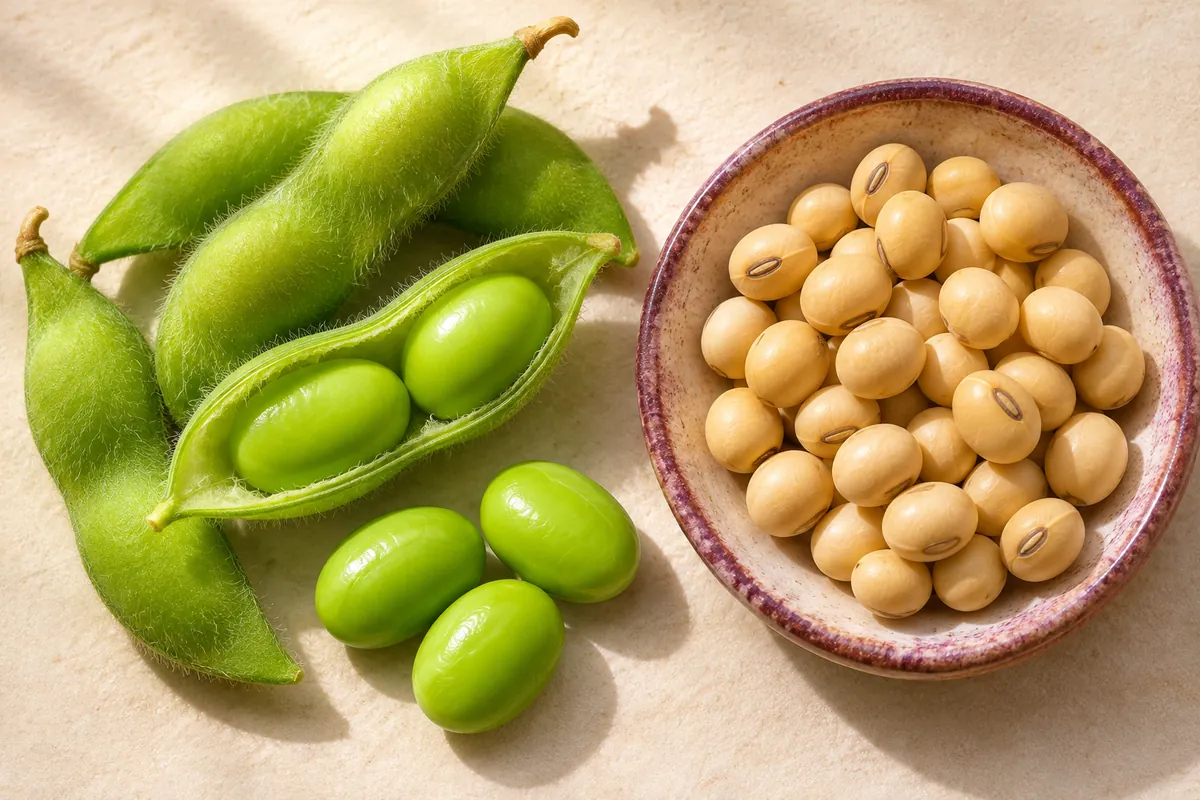
Green soybeans have a long history in East Asia. The word edamame comes from Japanese, where it refers to beans on branches. In China, green soybeans are also known as máodòu, or hairy beans, a nod to the fuzz on the pods.
In Japan, a familiar way to serve them is boiled in their pods and lightly salted. Hold a pod, squeeze the beans out, and set the fibrous pod aside. Once shelled, the beans also work in rice, soups and salads.
Little Loud starts with this familiar little bean and takes it in a toasted, crunchy direction. Sea Salt keeps the seasoning simple. Smoky Chili Lime adds a little warmth and a bright finish.
Sources Pacific Northwest Extension and Virginia Cooperative Extension.
Steamed edamame has a soft, juicy bite. Roasted edamame starts with the shelled beans. Dry heat removes moisture, bringing out a toasted flavor and giving the beans a firmer, crisp texture.
Tender, lightly sweet and bright green. Try it warm in the pod or shelled in a salad.
Toasty, crisp and easy to scatter. Try a handful by itself or add it just before serving a bowl.
Source Virginia Cooperative Extension’s serving guide.
Compare Little Loud flavors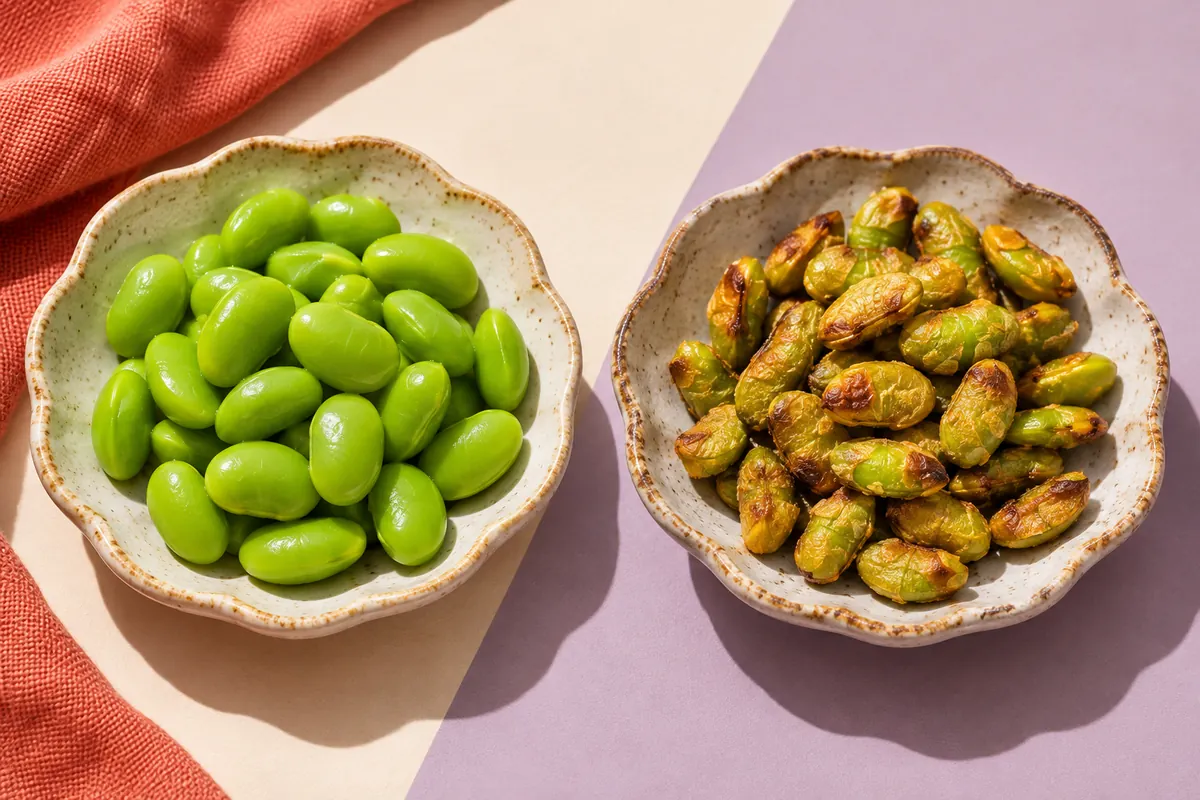
Edamame provides plant protein and dietary fiber. Your body uses the amino acids from protein to build and repair cells. Dietary fiber helps support regular bowel movements.
Seasoning and preparation affect the nutrition of the food you eat. Look for the finished Nutrition Facts and ingredient list when Little Loud’s first batch is ready.
Contains soy. Soybeans are a major U.S. food allergen. Little Loud is made with edamame, a soybean.
Sources MedlinePlus on protein, NIDDK on fiber, and FDA on food allergens.
USDA reference for 1 cup (155 g) of prepared frozen edamame.
Little Loud’s 1 oz roasted pouch will have its own Nutrition Facts.
USDA nutrient referenceSoybeans are legumes. Certain bacteria live in small nodules on their roots. The plant feeds the bacteria, and the bacteria turn nitrogen from the air into a form the plant can use. This partnership is called nitrogen fixation.
When conditions support healthy nodules, soybean plants can cover much of their nitrogen needs and may need less added nitrogen fertilizer. Soil conditions and farm practices influence how well that partnership works.
A pouch’s environmental footprint also includes the work after harvest. To estimate it, we’d need data on the farm, energy used for roasting, packaging materials and shipping. Little Loud’s product-level footprint is still unmeasured.
Sources Purdue Extension, University of Minnesota Extension, and Our World in Data on food supply chains.
Start with shelled roasted edamame. Add it at the last minute to keep the bite crisp.
Pour a handful of Sea Salt into a small bowl. Add sliced apple or a few crackers if you want to make it a longer break.
Meet Sea Salt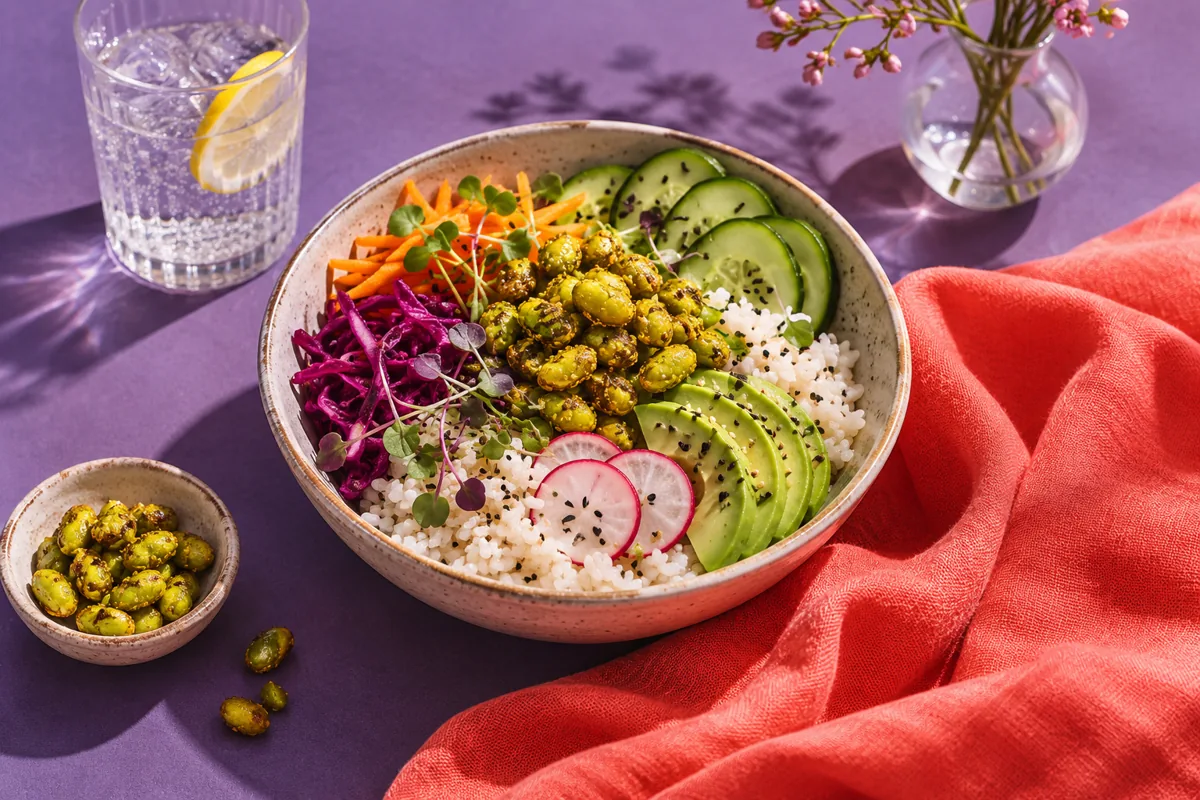
Start with rice, sliced cucumber and shredded carrot. Add lime juice and a pinch of salt, then scatter Smoky Chili Lime over the top.
Meet Smoky Chili Lime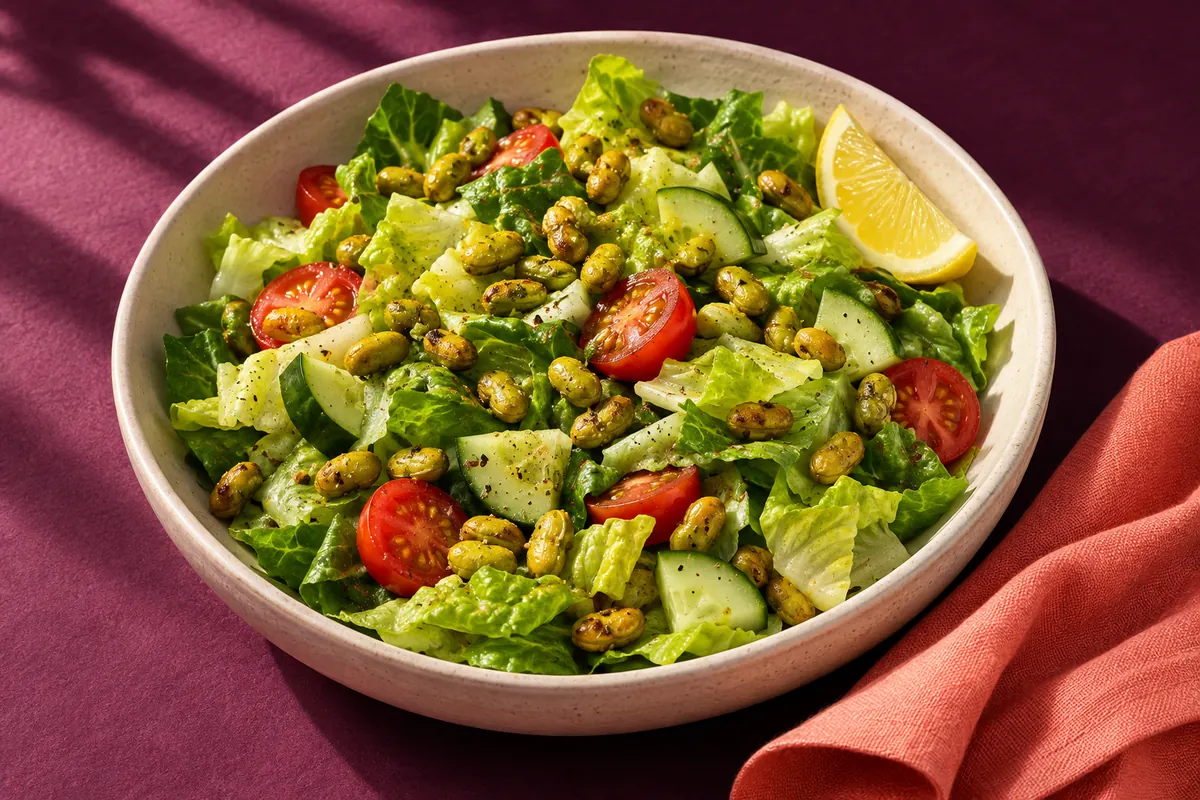
Toss romaine, cucumber and cherry tomatoes with lemon and olive oil. Finish with a handful of Sea Salt roasted edamame just before eating.
Meet Sea Salt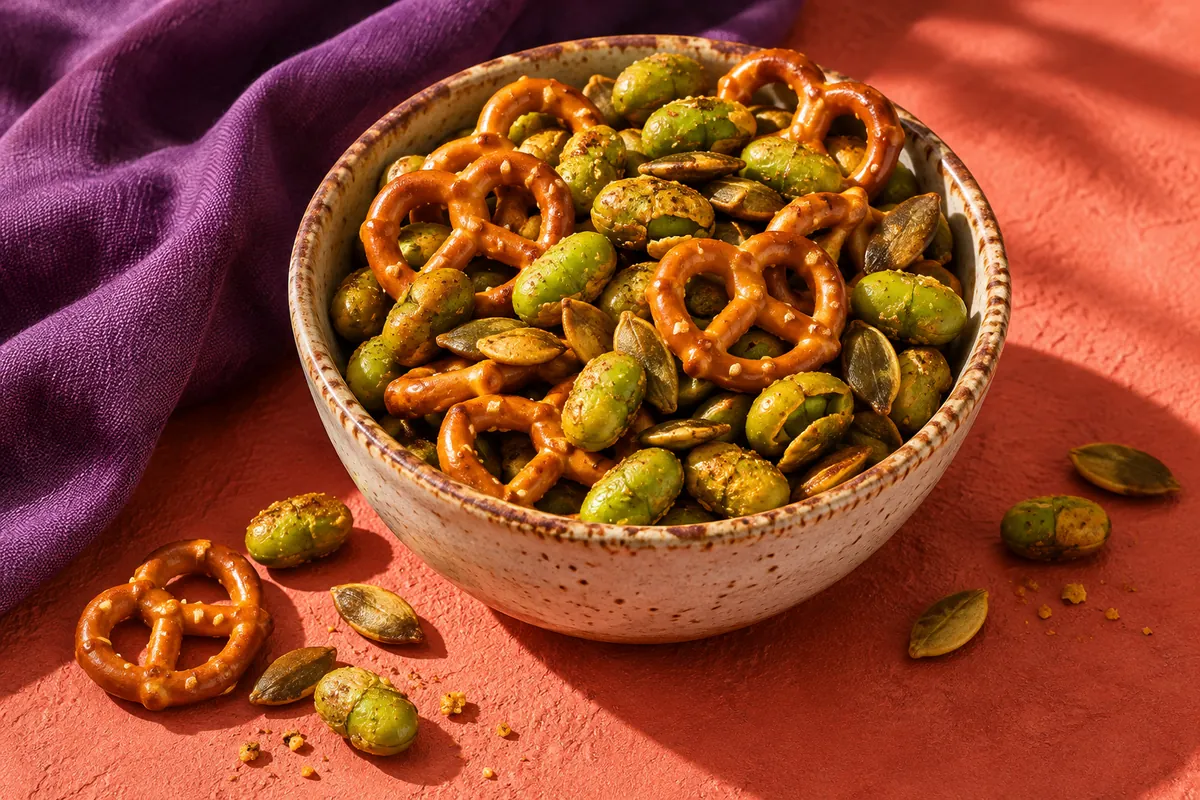
Combine a handful each of roasted edamame, pretzel twists and toasted pumpkin seeds. Use Sea Salt for a mellow mix or Smoky Chili Lime for a kick.
See the Mixed PackFood photography illustrates serving ideas. Packaging and finished snack appearance may vary.
Six serving ideas for the first batch. Pick a flavor to narrow the list.
Sea Salt
Toast a slice of sourdough. Spread with hummus, add thin cucumber ribbons and finish with lemon zest and a spoonful of roasted Sea Salt edamame.
Smoky Chili Lime
Split a cooked sweet potato. Spoon plain yogurt into the middle, squeeze lime over it and scatter Smoky Chili Lime beans across the top.
Sea Salt
Toss cooked, cooled noodles with shredded carrot, rice vinegar, grated ginger and a little oil. Fold in sliced scallions. Add the beans just before serving.
Smoky Chili Lime
Spoon cooked corn and diced avocado into small bowls. Add chopped cilantro and lime juice. Top each bowl with a pinch of Smoky Chili Lime crunch.
Sea Salt
Ladle hot tomato soup into a mug. Add a swirl of olive oil and a small handful of roasted beans at the table so the first spoonful still crunches.
Smoky Chili Lime
Toss freshly popped popcorn with a little melted butter or olive oil. Mix in Smoky Chili Lime beans and serve in a wide bowl so each handful catches both textures.
They’re all legumes. Edamame is a young soybean, while green peas and chickpeas are different plants.
Shell the beans or squeeze them out of cooked pods. The fibrous pod is usually discarded.
Yes. Edamame is a soybean and contains soy. Check the finished packaging for the ingredient list and any additional allergen information.
Little Loud is planned as a shelled, ready-to-eat roasted snack. If you’re buying frozen edamame to cook at home, follow that package’s directions.
We’ll share sourcing details once they’re confirmed for the first batch.
The planned Mixed Pack has twelve 1 oz pouches, with six Sea Salt and six Smoky Chili Lime.
Choose a pack and quantity and leave your email. Your request tells us what you’d like. Pricing, shipping, availability and payment come when ordering opens.
Start with Sea Salt, go for Smoky Chili Lime, or try both in the Mixed Pack.