
In the field
The Taiwanese bean with a hint of taro
In Kaohsiung’s breeding program, the scent of a bean earned a place beside its size and yield.
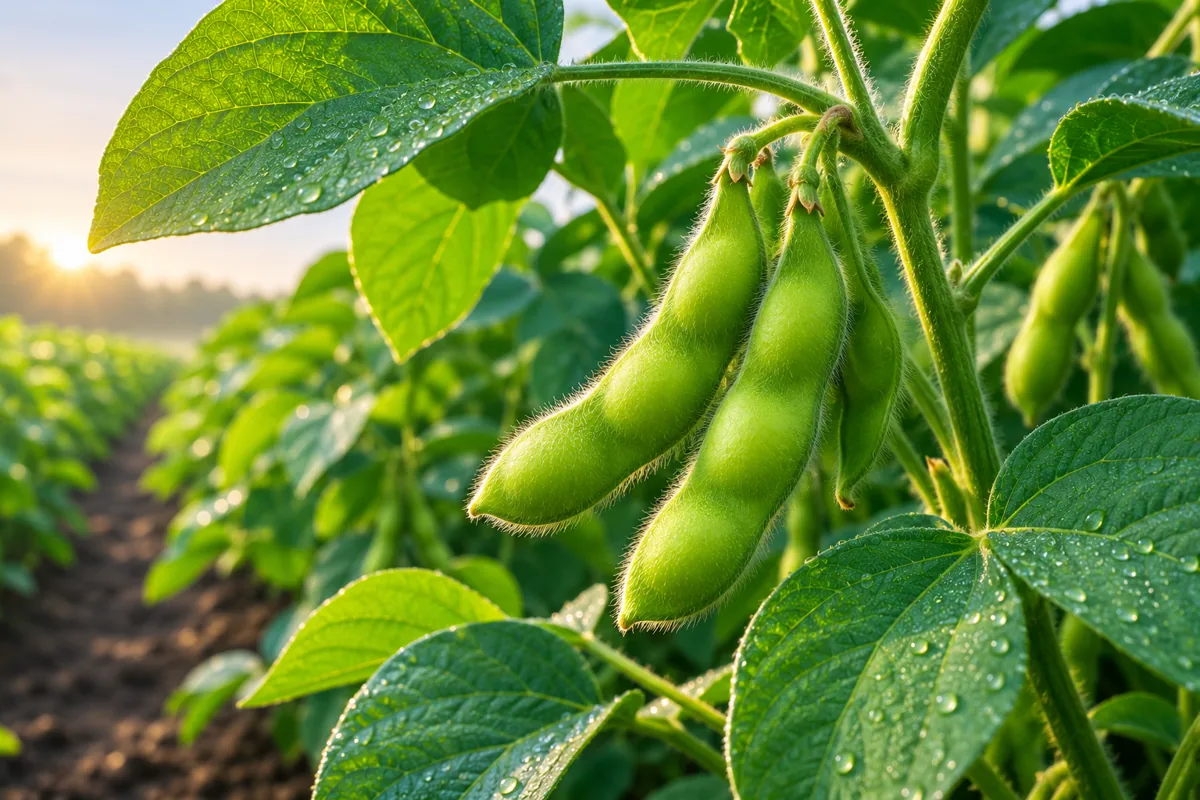
Imagine opening two warm pods and taking a moment to smell each one. In southern Taiwan, the plant breeders at the Kaohsiung District Agricultural Research and Extension Station give you a reason to try. They describe Kaohsiung 10, a vegetable soybean released in 2009, as having a faint aroma of taro. Two years later they released Kaohsiung 11, with a stronger taro scent. In both cases they are describing the bean itself.
A look at the neighboring entries in the station’s catalog turns up other priorities. Kaohsiung 8 was bred to withstand the cold and could supply fresh pods for the winter export trade. Kaohsiung 12 often carries three seeds in a pod. A grower shopping for winter seed and a cook chasing a particular fragrance could read the same list and circle quite different names.
Next time you make a bowl of edamame, leave the first bean unseasoned. What reaches you as you split it open? The answer can be as simple as “it smells like the garden.”