
Origins & traditions
A branch in Japanese, a little fuzz in Mandarin
Two names for the same young soybean tell you where to look.
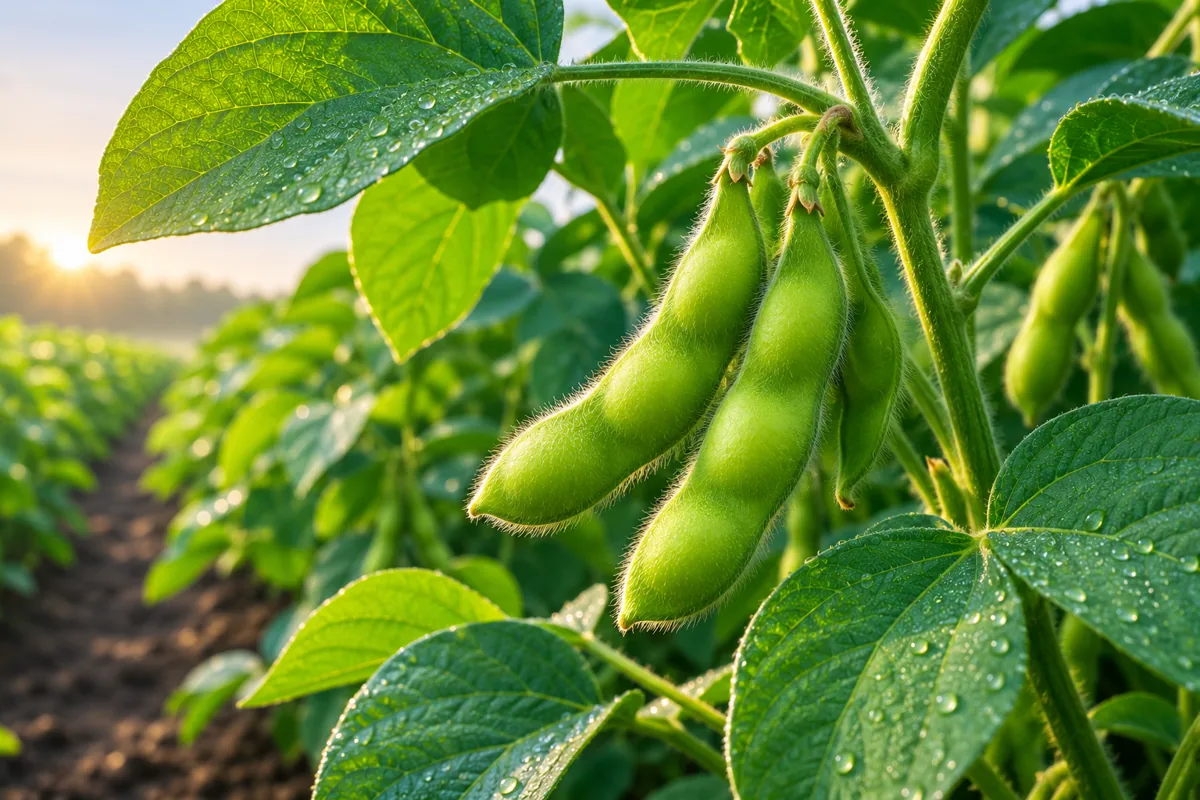
If you have only ever seen edamame shelled, you have missed the best clues to its names. In Japanese, edamame calls to mind beans on a branch. Picture the pods still clinging to the stem, the way a grower might gather them. The Mandarin name, máodòu, means “hairy bean.” Look closely at a fresh pod and you can see the fine fuzz that earned it the name.
Next time a bowl of cooked pods reaches the table, pick one up by its stem end. Press gently along the seam and the beans slip free. The empty pod stays behind. In a few seconds you have held both names in your hand and found the part that makes a snack.